Clear photos, packaging, labels, timing, and a narrow description make it easier to ask for the right remedy without losing evidence.
The useful question is whether the final price, seller, payment route, delivery promise, return path, and future commitment are still clear when the purchase becomes real.
What evidence shows the condition, package, seller, and delivery event clearly?
What evidence shows the condition, package, seller, and delivery event clearly?
Why this purchase moment matters
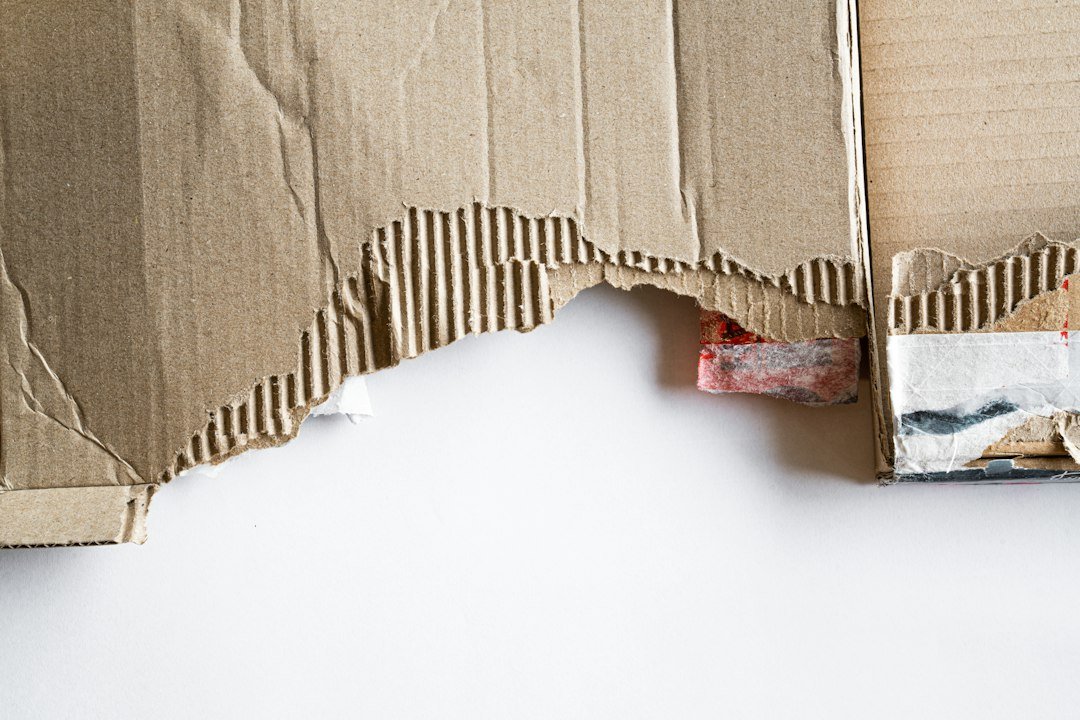
A useful claim record shows what arrived, how it was packaged, where the damage appears, and when it was reported. Photograph the outer package before removing more material, then capture the whole item and close details.
Most expensive shopping mistakes are not caused by one dramatic warning. They grow from small details that were easy to skip: the seller identity, a recurring charge, return postage, delivery timing, a saved card, or the absence of a useful order record.
Checks before you continue
- Record the delivery date and when damage was discovered.
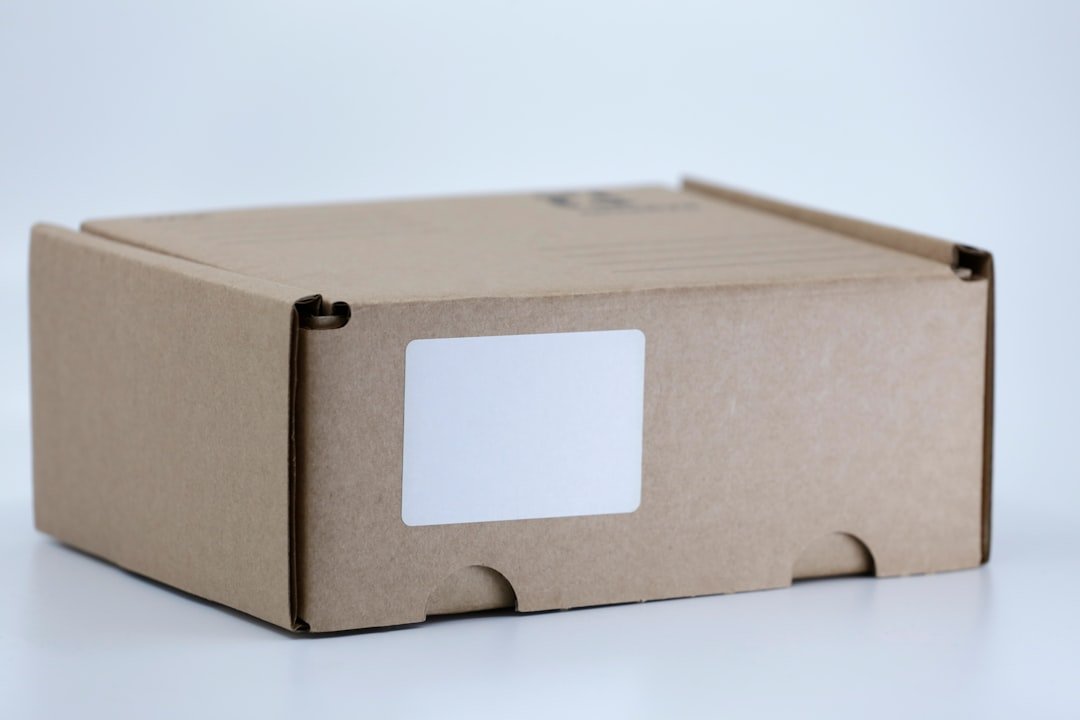
- Photograph the outer box from several sides.
- Capture the shipping label without publishing personal details.
- Photograph the damaged area and the full product.
- Read the retailer's reporting deadline and remedy options.
A practical way through
- Stop using an item when damage may affect safety.
- Keep packaging and accessories until the retailer responds.
- Contact the seller through its official order route.
- State whether you want replacement, repair, return, or refund where applicable.
- Save the case number, messages, labels, and collection details.
Create a simple sequence
A useful claim record shows what arrived, how it was packaged, where the damage appears, and when it was reported. Photograph the outer package before removing more material, then capture the whole item and close details.
Include model, size, color, quantity, and visible labels when they help identify the order. Keep private information out of anything shared publicly.
Preserve the return route
Keep packaging, inserts, parts, and accessories until the retailer explains the next step. Bulky items may need collection, and some carriers or sellers need particular labels or inspection records.
Ask for a specific next step
Describe the damage plainly and state the remedy you are requesting when consumer law and store policy allow it. A narrow request is easier to process than a long account of every frustration.
For unsafe electrical, structural, child, or recalled products, stop use and follow retailer, manufacturer, or official safety guidance.
Keep the case together
Save the order confirmation, photographs, support messages, case number, return label, collection receipt, and refund confirmation in one folder until the money or replacement is fully settled.
What not to assume
- Do not repair or alter the item before the seller assesses the claim unless safety requires isolation.
- Do not post labels containing personal information publicly.
- Do not discard a recalled or hazardous item contrary to official instructions.
Prices, policies, consumer rights, payment protections, stock, and platform terms can change. Confirm current details with the retailer, payment provider, marketplace, manufacturer, or appropriate official source before acting.
The first useful check
Photograph the unopened package, shipping label, damage, and complete item before discarding packaging.
Keep the final order total, seller, confirmation, delivery promise, and any cancellation or return record together until the purchase is settled.