
Why Forcing Account Creation Makes Ready Buyers Pause
A required account can make a simple purchase feel like an ongoing relationship before the buyer has enough trust.
Accounts & privacy guide
Decide when an account earns its place, what information it keeps, and which marketing or saved-payment settings can be switched off.
Begin here
A required account can make a simple purchase feel like an ongoing relationship before the buyer has enough trust.
More in this route

Guest checkout and account benefits do not have to compete if the page separates completion from future convenience.

Password requirements can turn a low-stakes order into an admin task if the buyer must solve them before paying.

Social login can reduce typing, but it can also raise privacy concerns when the buyer does not know what access is being requested.
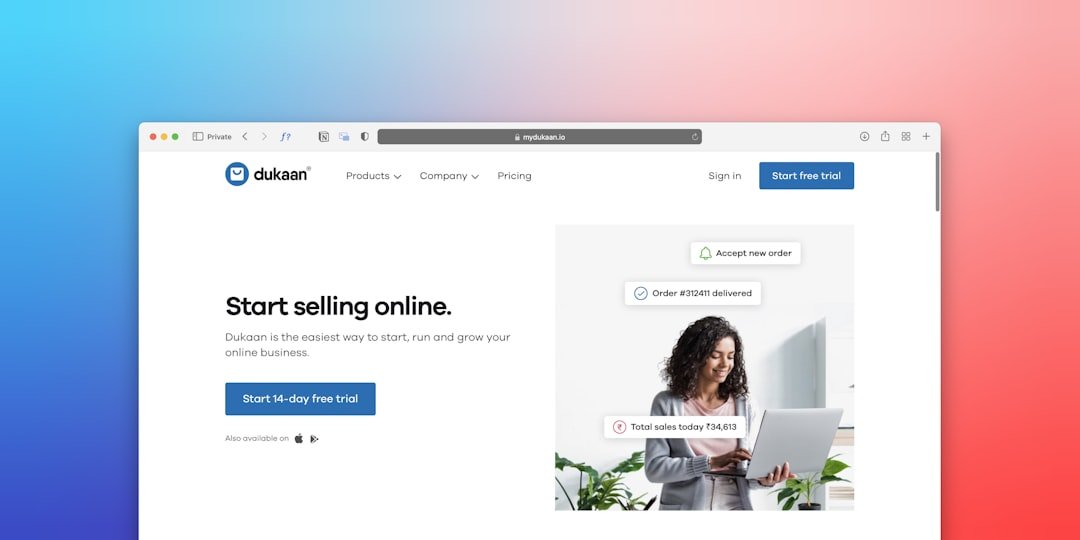
An account invitation after purchase can feel like help instead of pressure because the buyer has already completed the main job.

Login benefits should clarify convenience, not imply that checkout is unsafe or incomplete without an account.

An account can simplify repeat orders, but it can also add saved data, marketing, passwords, and a relationship you did not need.

The fastest checkout options can leave behind saved cards, addresses, app notifications, and marketing choices you did not mean to keep.
Nearby shopping routes
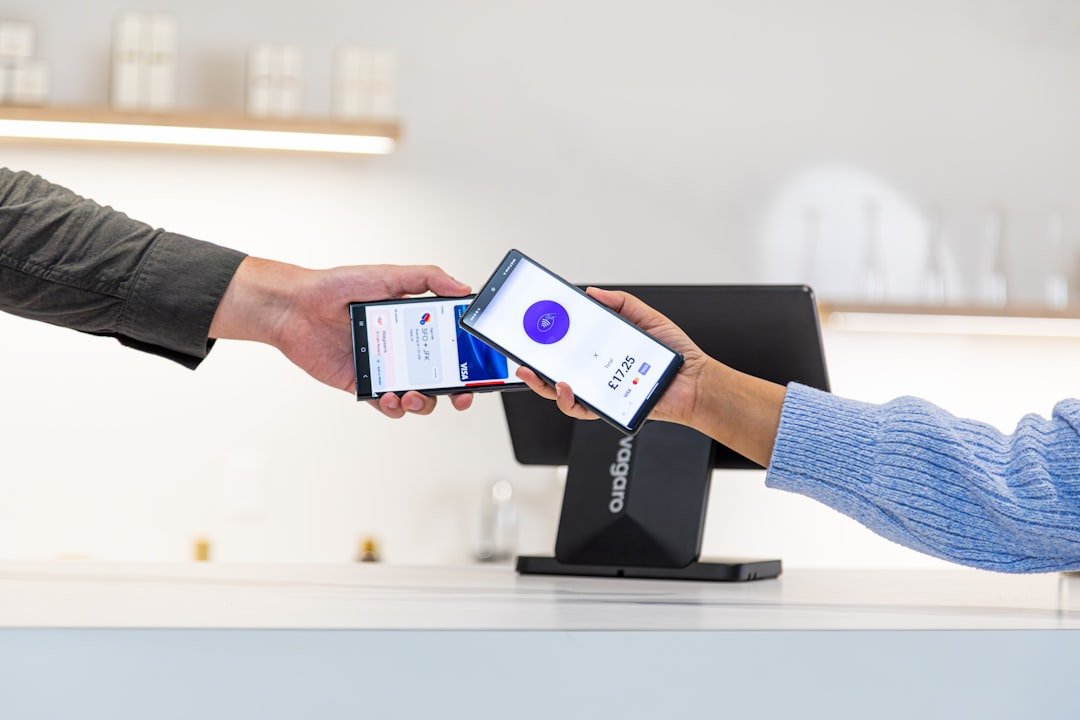
Compare the amount that actually leaves the account, including delivery, memberships, promo conditions, returns, and add-ons.

Complete delivery and payment details carefully, recover from broken checkout flows, and avoid duplicate orders or mixed saved addresses.
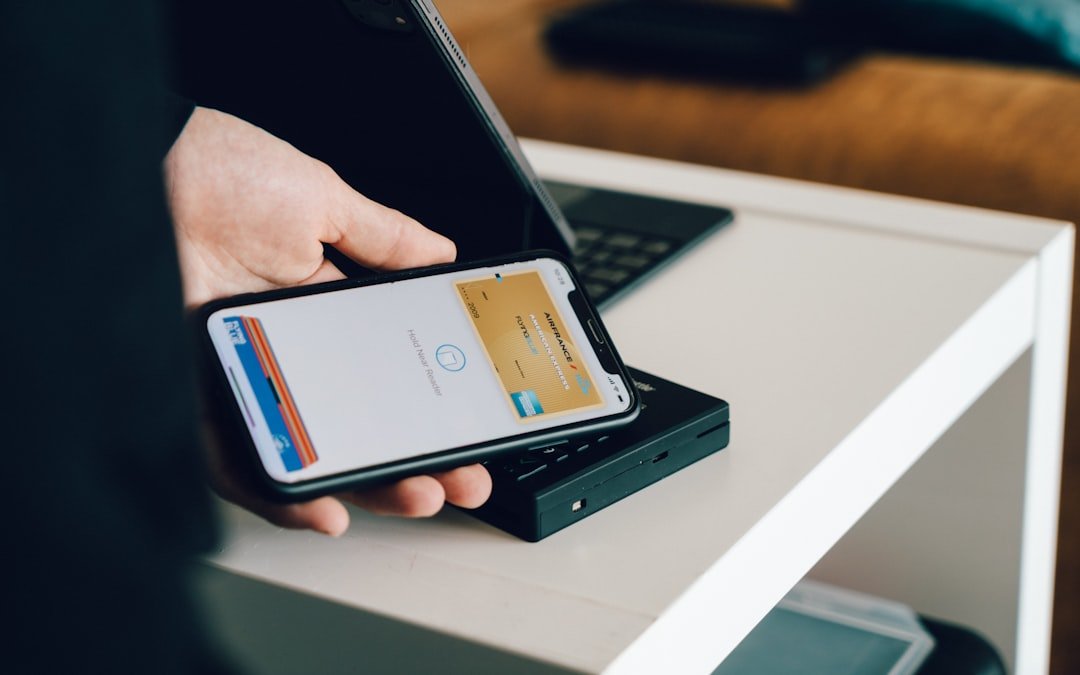
Choose a payment route with the right record and recovery path, and verify who is receiving the money before entering details.

Compare the complete handoff, understand return costs, and keep the evidence needed for late, damaged, missing, or incorrect orders.
Make the first charge, renewal rhythm, cancellation route, and proof of exit visible before a recurring service becomes background noise.